
A History of Accidents
If it’s happened before, it can happen in North Van.
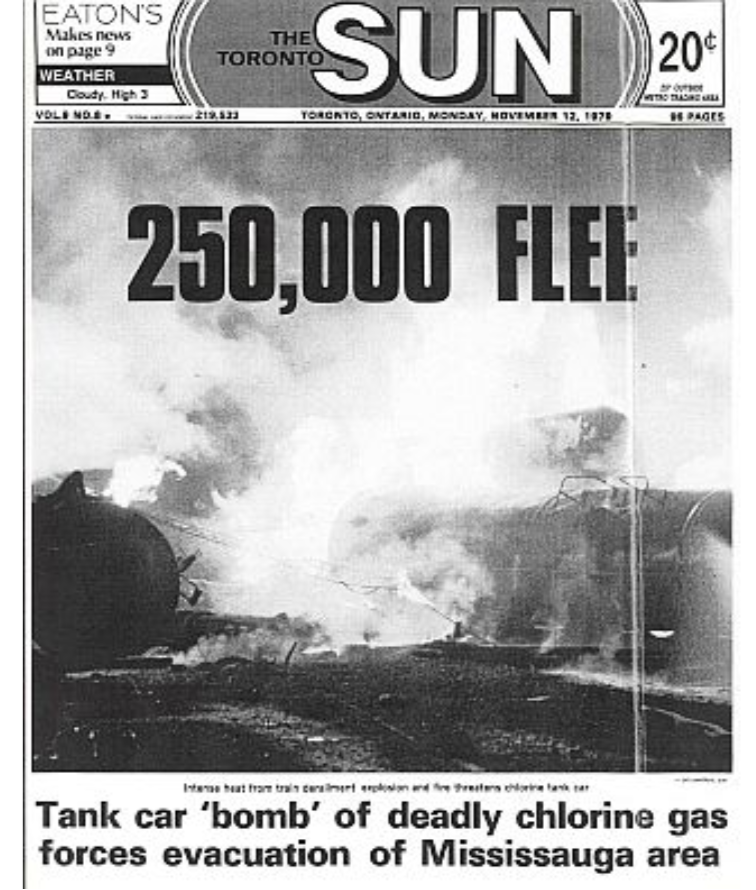
Mississauga, Ontario
November 10th, 1979
A catastrophic train derailment in Mississauga, Ontario, resulted in a massive explosion and the release of dangerous chemicals, including chlorine gas. The disaster forced the evacuation of over 200,000 people, the largest peacetime evacuation in North American history at the time. Fires burned for days, and although there were no fatalities, an outcome dubbed the “Mississauga Miracle,” the scale of disruption and potential for tragedy led to major changes in emergency response and hazardous materials transport across North America.
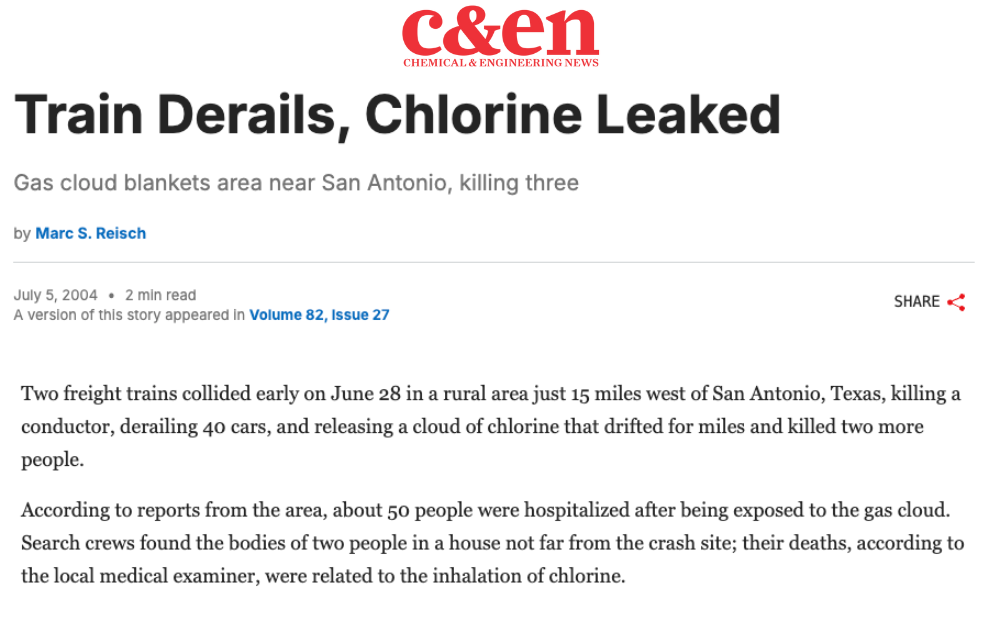
San Antonio, Texas
June 28th, 2004
A collision between two freight trains near Macdona, Texas derailed 40 cars and released a toxic chlorine gas cloud that drifted for several kilometres. The chlorine gas cloud hospitalized about 50 people killed three, including two deaths linked to chlorine gas inhalation at a nearby home. Emergency crews worked for days to plug the leak and secure the site.
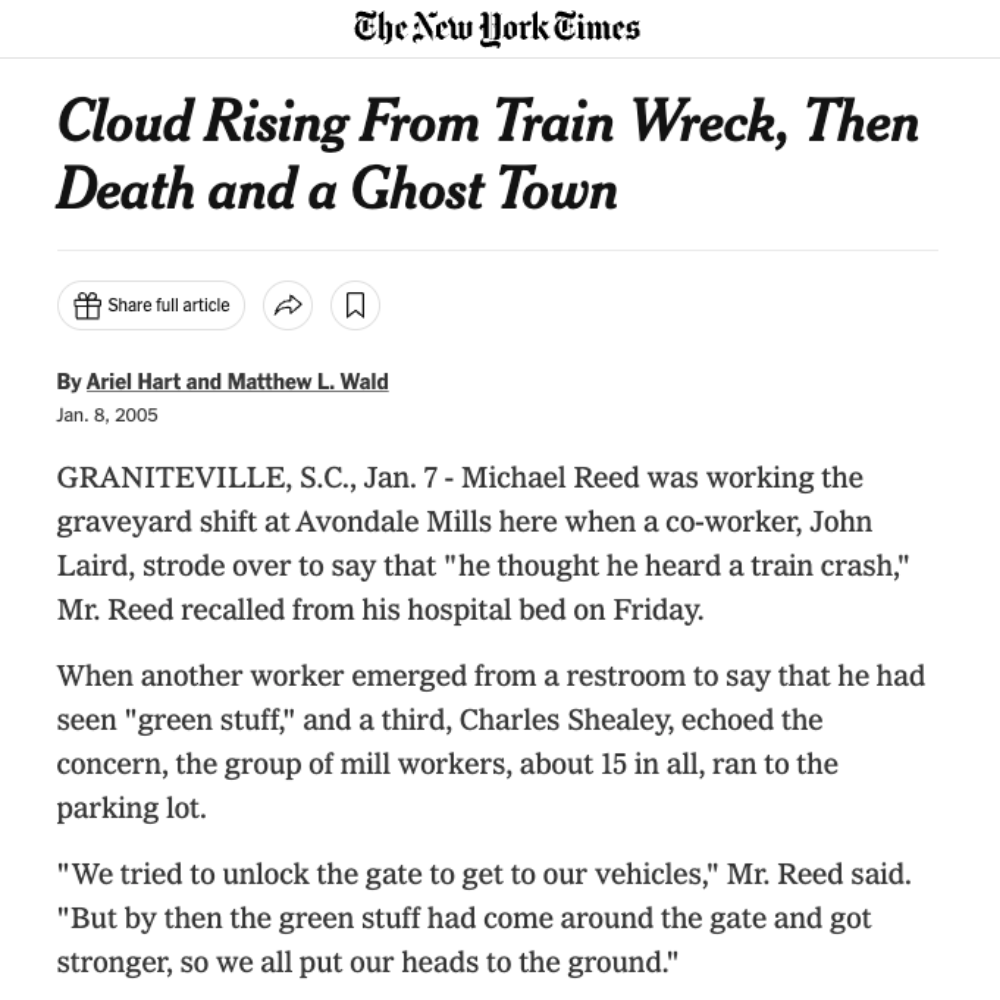
Graniteville, South Carolina
January 6th, 2005
A train collision in Graniteville released more than 11,000 gallons of toxic chlorine gas into the community, causing nine deaths and hundreds of injuries. The accident devastated the local economy, forced evacuations, and left many residents with chronic lung problems. Graniteville’s tragedy raised serious national concerns about the risks of transporting chlorine, with the town still feeling the effects years later.
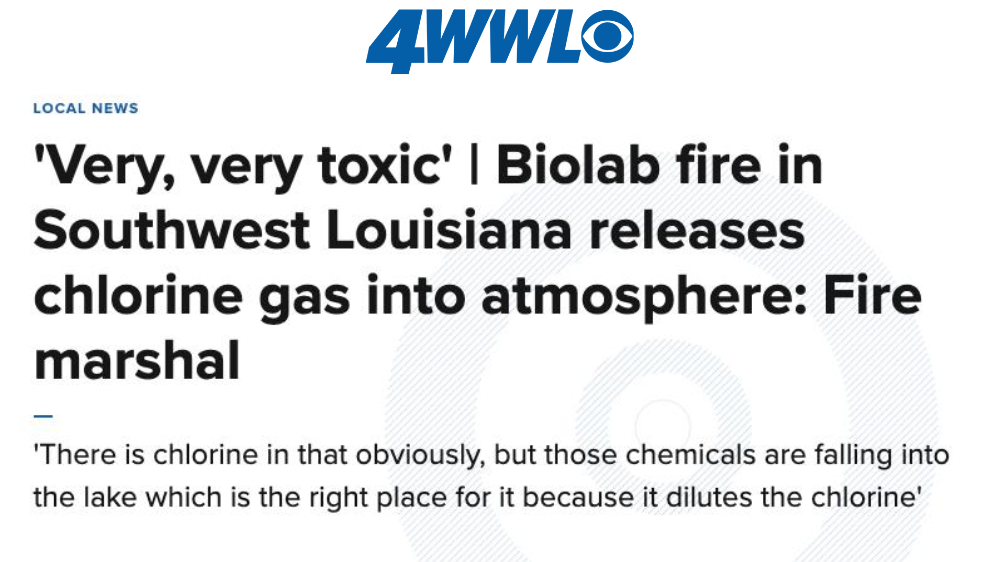
Lake Charles, Louisiana
August 27th, 2020
During Hurricane Laura, a fire broke out at the BioLab chemical plant in Westlake, Louisiana, which produces chlorine for swimming pools nationwide. Residents were ordered to shelter in place as thick smoke covered the city, and emergency responders from multiple agencies were called in. The disaster threatened local health and safety, upending daily life.
Conyers & Atlanta, Georgia
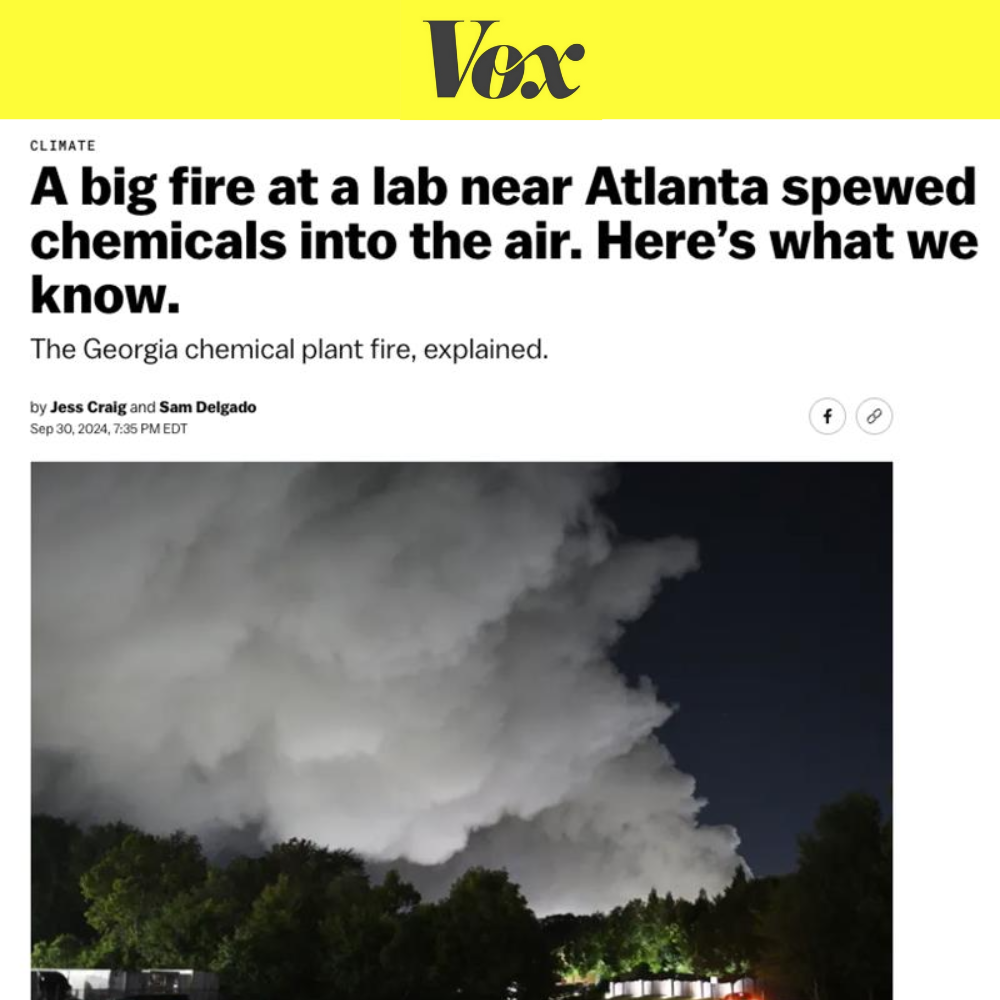
September 30th, 2024
A chemical reaction at the BioLab facility in Conyers, Georgia triggered a fire at the facility that closed Interstate 20 for more than six hours. A massive chlorine gas cloud drifted across the region, forcing over 90,000 people were forced to shelter in place. The plume affected air quality as far away as Atlanta, Georgia with residents reporting a strong chlorine smell and visible haze. Schools cancelled outdoor activities, some closed entirely, and emergency services struggled to contain the situation.
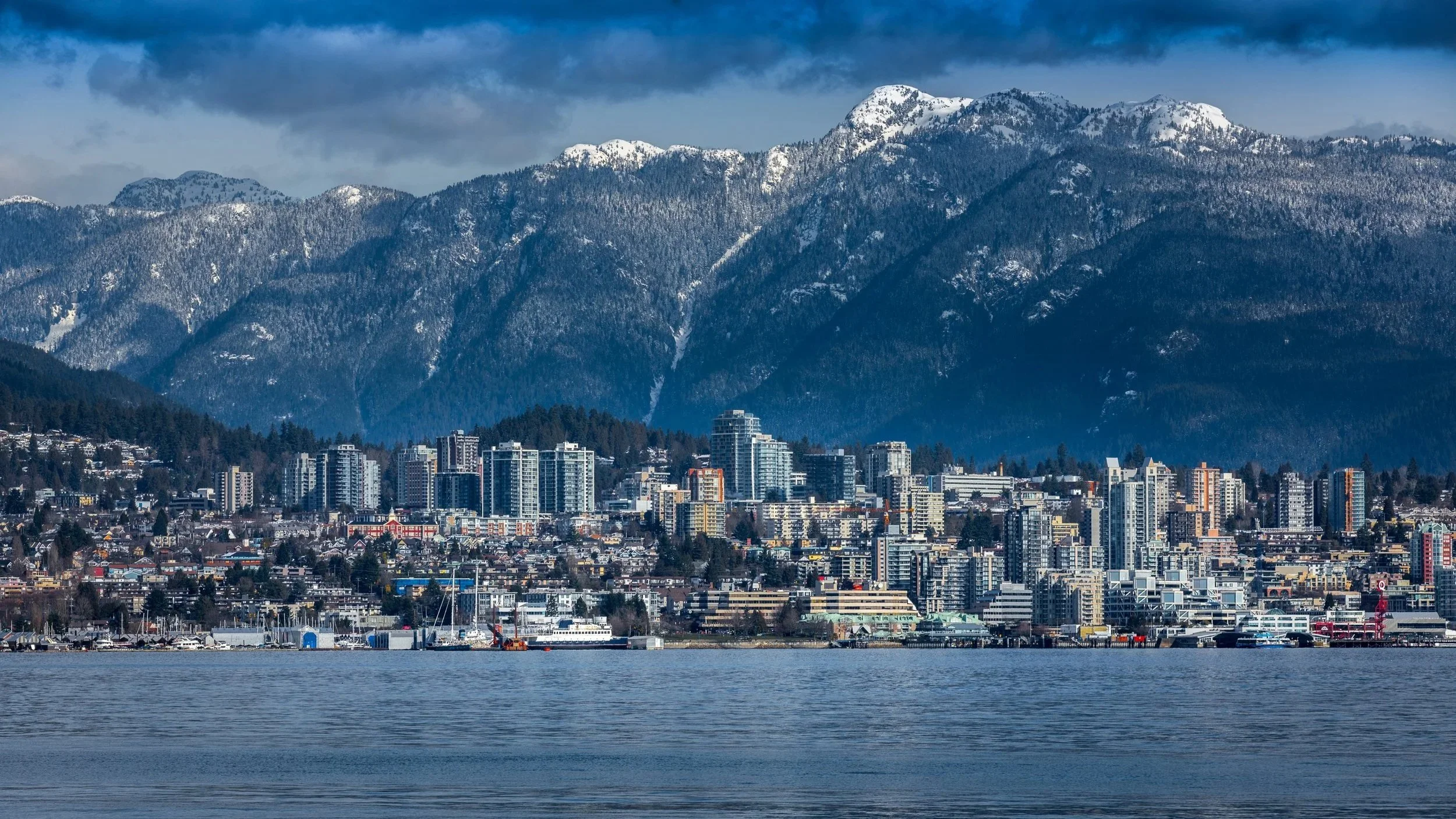
North Vancouver,
British Columbia
???